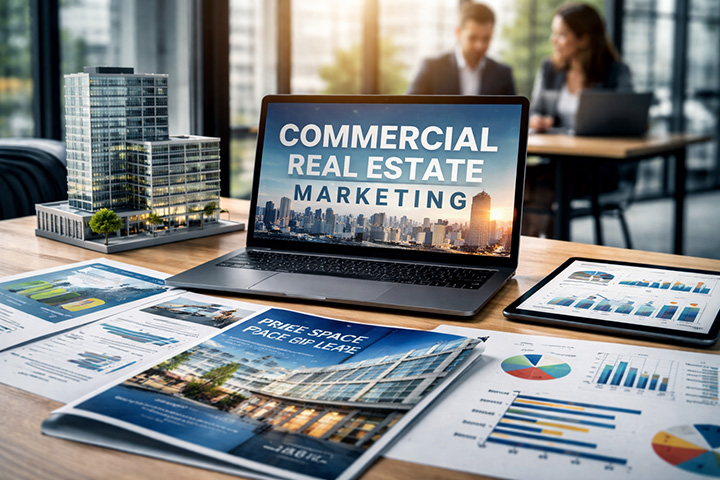
In today’s fast-paced digital landscape, technology is fundamentally reshaping how commercial properties market themselves. The advent of innovative tools and platforms has given business owners novel ways to reach their target audiences, enabling them to create strong, lasting impressions. This transformation is not just a trend; it is a fundamental shift that aligns with the evolving expectations of consumers. It has never been more critical for property owners and managers to adapt their marketing strategies to incorporate cutting-edge technology in order to thrive in the competitive commercial space.
One of the most significant advancements in commercial property marketing is the rise of virtual tours and augmented reality. These technologies allow potential tenants or buyers to experience a property from the comfort of their own homes. Virtual reality immerses users in a three-dimensional space, enabling them to navigate through properties as if they were physically present. This is especially valuable for commercial properties, where the layout and functionality can significantly impact a business’s operations. Real estate agents and property managers can leverage virtual tours to showcase their spaces more effectively, drawing in interested prospects who might otherwise be hesitant to visit in person.
Moreover, augmented reality enhances the marketing experience further by allowing prospective tenants to visualize how their businesses would operate within a given space. Using smartphones or tablets, individuals can overlay digital images of furniture, décor, or even branding elements onto the physical environment they are considering. This technology not only aids in decision-making but also helps prospects envision their future in the space, fostering an emotional connection that can lead to successful leases or sales.
In addition to innovative viewing experiences, data analytics is transforming the way commercial property marketing strategies are developed and executed. By harnessing the power of data, property owners and marketers can gain valuable insights into various aspects of their target market. This includes demographic trends, consumer behavior, and even competitive analysis. Armed with this information, businesses can tailor their marketing messages more precisely, ensuring that their efforts resonate with the right audience.
For instance, if data reveals that a property is particularly appealing to tech startups, marketing campaigns can be adjusted to highlight features like high-speed internet access, open floor plans conducive to collaboration, and proximity to other tech hubs. By targeting specific demographics with a focused message, property owners can increase their chances of attracting the ideal tenants or buyers.
Social media is another powerful tool in the modern commercial property marketing arsenal. Platforms like Facebook, Instagram, and LinkedIn allow property owners to share compelling content that showcases their properties and engages potential tenants or buyers. Visual storytelling through high-quality images and videos can capture the attention of audiences and encourage them to learn more. Additionally, social media allows for targeted advertising, enabling property managers to reach specific demographics based on interests, behaviors, and location. This level of personalization can significantly enhance engagement and lead generation.
Furthermore, a strong online presence is essential in today’s marketing landscape. Having an optimized website with user-friendly navigation, visually appealing design, and informative content can significantly impact a property’s marketability. Search engine optimization is critical, as it helps improve a website’s visibility on search engines, allowing potential clients to find a property more easily. By incorporating relevant keywords and ensuring that the website responds well on mobile devices, property owners can attract more visitors and generate higher-quality leads.
Content marketing is also crucial in establishing authority and fostering trust in the commercial property sector. By creating valuable content that educates prospective tenants or buyers on topics related to their properties, property owners can position themselves as industry experts. This might include blog posts discussing market trends, guides for starting a business, or tips for maintaining commercial spaces. Quality content not only drives traffic but also builds a relationship with the audience, leading to increased brand loyalty and recognition.
Email marketing remains an effective strategy for nurturing leads and maintaining communication with prospects. By sending out regular newsletters that include property updates, success stories, and other relevant information, property managers can stay top-of-mind among potential clients. Furthermore, personalized email campaigns can be designed to cater to specific interests of recipients, making the communication feel more relevant and engaging.
The integration of Artificial Intelligence is another exciting development that is influencing commercial property marketing. AI-powered chatbots on websites can provide immediate assistance, answering questions, scheduling visits, or even offering personalized property suggestions based on user preferences. This not only enhances the customer experience but also frees up staff time for more complex inquiries and tasks. AI can also analyze large datasets to uncover trends and insights, helping property managers refine their marketing strategies and make data-driven decisions.
As technology continues to evolve, the importance of sustainability and eco-friendliness in marketing cannot be overlooked. Today’s consumers, including business owners, are increasingly concerned about environmental issues. Incorporating sustainable practices into a property’s marketing narrative can appeal to this growing market. Highlighting energy-efficient features, sustainable materials, and eco-friendly building certifications can make a property more attractive to socially conscious businesses.
Finally, collaboration with technology partners can amplify the impact of marketing efforts. Property managers can work with tech companies to adopt the latest marketing software, customer relationship management systems, and data analytics tools. This collaboration can simplify processes, streamline communication, and ultimately enhance the overall effectiveness of marketing strategies.