
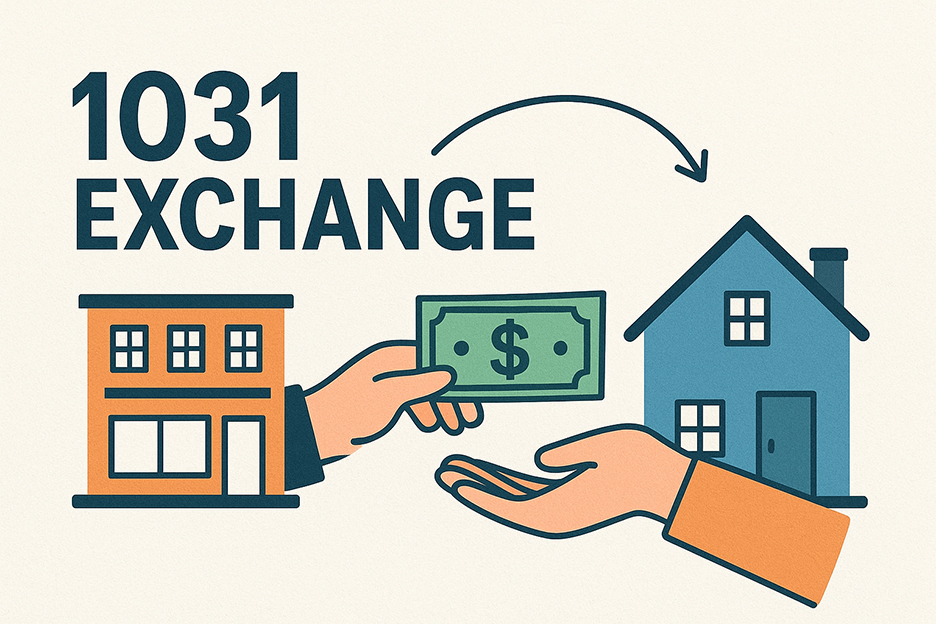
Investing in real estate can be a lucrative opportunity for first-time investors, and understanding the nuances of 1031 exchanges is essential to maximizing your investment potential. A 1031 exchange, named after Section 1031 of the Internal Revenue Code, allows investors to defer capital gains taxes on the sale of a property when the proceeds are reinvested into a similar property. This mechanism not only helps investors retain more capital for their next investment but also facilitates growth within their real estate portfolio.
To navigate the complexities of a 1031 exchange, it is important to familiarize yourself with the key concepts, requirements, and processes involved. The primary appeal of a 1031 exchange is the tax deferral aspect. When you sell a property that has appreciated in value, you typically face a capital gains tax on the profit made from that sale. However, if you reinvest the proceeds into a like-kind property within a certain timeframe, you can defer those taxes, allowing for more capital to be utilized for your next venture.
To initiate a 1031 exchange, the first step is to ensure that you are selling a property that qualifies for the exchange. The property must be held for investment or productive use in a trade or business. This includes residential rental properties, commercial properties, or even raw land. Properties that are primarily for personal use, such as a primary residence, do not qualify for 1031 exchanges.
Once you identify a qualifying property, the next step is to choose a qualified intermediary. This is an essential component of the exchange process. A qualified intermediary is a neutral third party that facilitates the transaction and holds the funds from the sale of your original property until you are ready to purchase your new property. Working with a qualified intermediary is crucial, as handling the proceeds from the sale yourself can disqualify you from the 1031 exchange.
After selling your original property, you have 45 days to identify potential replacement properties. This is an important window during which you will need to make some critical decisions. To ensure you meet the requirements, you can identify up to three potential properties, regardless of their value, or you can choose more than three properties as long as their combined value does not exceed a certain threshold. The flexibility in identifying properties allows you to explore various options that align with your investment strategy.
Once you have identified your replacement property or properties, the next step is to close on the new property within 180 days of the sale of your original property. This timeline can feel daunting, but careful planning can help you navigate this process smoothly. It is crucial to work closely with your qualified intermediary, real estate agent, and any other professionals involved to ensure that all deadlines are met.
It is also important to clarify what constitutes like-kind properties in the context of a 1031 exchange. The term “like-kind” refers to the nature of the property rather than its quality or value. In general, most real estate properties can be considered like-kind to one another, which means you can sell a single-family home and purchase a commercial property, for instance. However, there are some exceptions, such as the prohibition on exchanging personal property or the requirement that both properties be located within the United States.
As a first-time investor, you may also be wondering about the implications of depreciation in a 1031 exchange. One of the main advantages of investing in real estate is the ability to depreciate property over time, which can reduce taxable income. However, when you engage in a 1031 exchange, the depreciation from the original property gets carried over to the new property. This means that while you defer capital gains taxes, you do not eliminate your depreciation recapture liability.
In addition to understanding the basics of 1031 exchanges, it is beneficial for first-time investors to explore various strategies that can be employed during the process. One common strategy is to leverage a 1031 exchange to upgrade your investment property. For instance, if you own a property that has appreciated significantly, you might consider selling it and using the proceeds to purchase a larger or more valuable property that generates higher income or has greater growth potential.
Another common strategy is to use 1031 exchanges as a means to diversify your investment portfolio. By exchanging a single property for multiple properties, you can spread your risk across different assets and locations. This not only provides the potential for greater returns but also minimizes the impact of market fluctuations on your overall portfolio.
As you explore 1031 exchanges, staying informed about legislative changes and tax implications is essential. Real estate laws and tax codes can evolve and impact the mechanics of 1031 exchanges. Engaging with a tax professional who specializes in real estate investments can provide valuable insight and guidance on how to navigate these changes effectively.
In conclusion, 1031 exchanges present a powerful tool for first-time investors looking to maximize their real estate investments. By deferring capital gains taxes and leveraging the benefits of like-kind exchanges, you can enhance your investment strategies and build a robust portfolio. Understanding the requirements, deadlines, and strategies involved in 1031 exchanges will empower you to make informed decisions.