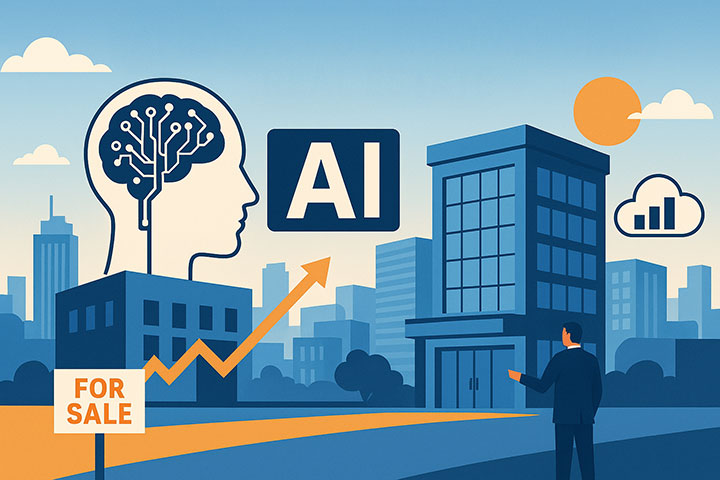
Artificial intelligence is transforming industries across the globe, and the commercial real estate sector is no exception. As technology continues to advance, AI is reshaping the way businesses approach property management, investment strategies, and tenant experiences. This innovative integration of AI solutions offers insights and efficiencies that were previously unimaginable, making it an essential area of focus for real estate professionals.
One of the most significant impacts of AI on commercial real estate is its ability to analyze vast amounts of data quickly and accurately. Traditional market analysis methods often rely on historical data and anecdotal evidence, which can lead to outdated or incorrect conclusions. With AI, property managers and investors can access real-time data analytics, allowing them to make informed decisions based on the latest market trends and consumer behavior patterns. For example, AI algorithms can analyze demographic information, economic indicators, and local market conditions to predict future property values and identify lucrative investment opportunities.
Moreover, AI-driven tools are transforming the property management landscape. For property managers, AI can streamline operations through automation, simplifying tasks such as lease management, rent collection, and maintenance requests. Utilizing AI-enabled platforms enables property managers to respond to tenant inquiries more efficiently, ensuring a higher level of service and tenant satisfaction. With predictive maintenance models powered by AI, property management teams can proactively identify maintenance issues before they escalate into costly repairs, thereby reducing downtime and enhancing the overall value of the property.
Another critical aspect where AI is making its mark is in enhancing tenant experience. By leveraging AI technology, property managers can offer personalized services to tenants, improving their overall satisfaction. AI-powered chatbots and virtual assistants can provide instant responses to tenant queries, schedule maintenance, and facilitate communication between tenants and property management. This level of engagement fosters a sense of community among tenants and can significantly reduce turnover rates.
AI is also revolutionizing the leasing process. Traditionally, commercial leasing involves lengthy negotiations and paperwork, which can be time-consuming for both landlords and tenants. AI-driven platforms can streamline this process through automated document generation and smart contracts. These tools enable quick and transparent transactions, allowing tenants to secure leases more efficiently, while landlords can reduce vacancy periods and maintain steady cash flow.
In addition to operational enhancements, AI plays a pivotal role in investment strategies within the commercial real estate sector. Investors are increasingly turning to AI for portfolio management and risk assessment. Advanced algorithms can evaluate investment performance, forecast cash flow, and gauge market trends with more precision than human analysis alone. By harnessing machine learning and predictive analytics, investors can make more strategic decisions regarding property acquisitions and dispositions, ultimately maximizing returns.
Furthermore, AI is instrumental in the realm of sustainable building management. With growing awareness surrounding environmental issues and the push for sustainability, commercial properties must adapt to evolving regulations and tenant demands. AI can optimize energy usage by collecting and analyzing data from building systems, identifying inefficiencies, and automating energy management solutions. By implementing these AI-driven strategies, property owners can not only lower operating costs but also enhance the marketability of their properties to environmentally conscious tenants.
The adoption of AI tools in commercial real estate is gaining momentum, driven by the necessity for increased efficiency and improved decision-making processes. However, as with any technological advancement, there are challenges associated with integration. It is vital for real estate professionals to remain educated about the benefits and limitations of AI technology. Training staff and maintaining a human element in property management will be crucial in balancing technology with personal interactions.
Looking ahead, the future of commercial real estate is likely to be heavily influenced by AI. As the technology continues to evolve, new applications and capabilities will emerge, offering unprecedented advantages to those who embrace it. Industry stakeholders must recognize the transformative potential of AI and invest in the tools and training necessary to remain competitive in a rapidly changing market. By leveraging AI to improve decision-making, enhance tenant experiences, and optimize property management, commercial real estate professionals can position themselves for success in an increasingly complex landscape.
In conclusion, artificial intelligence is not merely a trend within the commercial real estate sector; it is a powerful tool that can revolutionize how properties are managed, transactions are facilitated, and investments are evaluated. The integration of AI into everyday operations can lead to increased efficiencies, reduced costs, and improved tenant satisfaction. As the commercial real estate market continues to adapt to technological advancements, those who harness the power of AI will be well-positioned to thrive in an evolving landscape. Embracing these changes and understanding the role of AI in commercial real estate will be key to driving future growth and success in this dynamic industry.