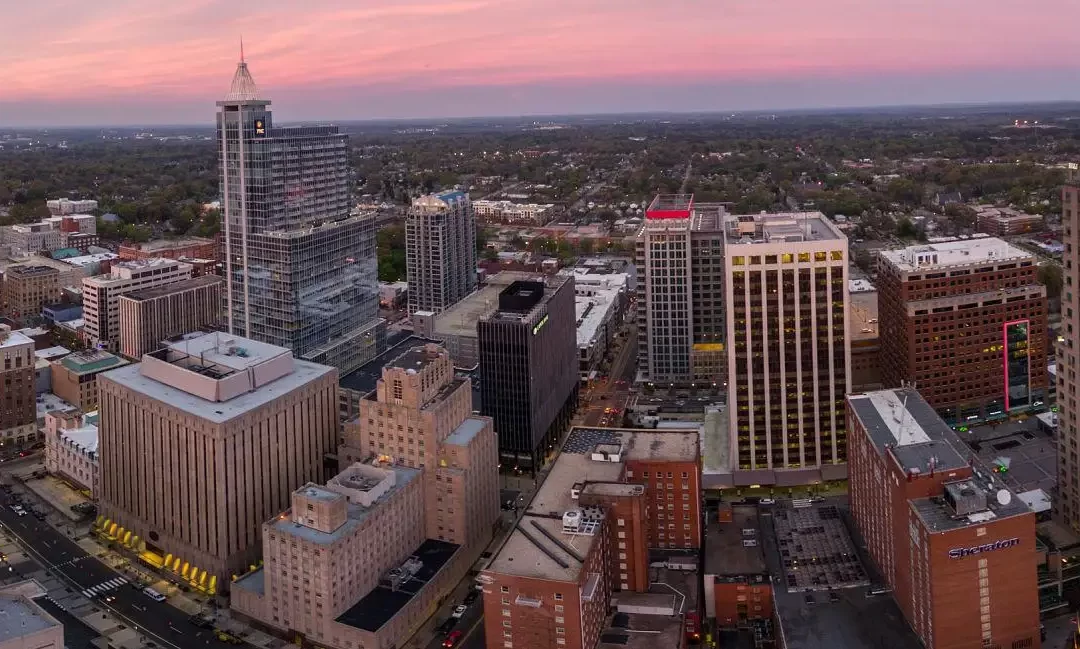
Raleigh, North Carolina, has emerged as one of the Southeast’s most attractive markets for commercial real estate. This vibrant city, known for its strong educational institutions, dynamic economy, and high quality of life, presents a unique combination of advantages for investors and businesses alike. As a part of the Research Triangle, Raleigh benefits from a triangular region that includes Durham and Chapel Hill, creating a diverse hub of innovation and enterprise.
One of the key factors contributing to Raleigh’s appeal is its robust economy. The city has experienced significant growth in sectors such as technology, healthcare, education, and finance. With major employers such as Cisco, IBM, and the Wake County Public School System, the job market in Raleigh remains strong and is expanding year after year. This economic stability translates into a steady demand for commercial real estate assets, making it an attractive option for investors looking to enter a thriving market.
The presence of reputable educational institutions is another factor that enhances Raleigh’s attractiveness. North Carolina State University, located in the heart of the city, plays a crucial role in fostering innovation and providing a skilled workforce. The university is not only a significant employer but also a source of research and development that drives advancements in various industries. The influx of students and faculty creates demand for commercial spaces ranging from retail to office environments, ensuring that investors have access to a steady stream of potential tenants.
Raleigh’s strategic location further solidifies its position as an attractive commercial real estate market. Situated at the intersection of major highways and within a short drive of the Raleigh-Durham International Airport, the city offers exceptional connectivity. This accessibility is pivotal for businesses that rely on freight and logistics, as well as for companies with a nationwide or international reach. The transportation infrastructure supports both local enterprises and larger corporations, making it an ideal location for businesses of all sizes.
Another appealing aspect of Raleigh is its quality of life. The city consistently ranks highly in various quality of life assessments, thanks to its vibrant cultural scene, affordable living, and diverse recreational opportunities. Residents enjoy an array of parks, museums, music venues, and dining options, which contribute to a well-rounded lifestyle. This quality of life attracts talent from across the nation and helps businesses recruit and retain employees. The more attractive a city is to potential employees, the greater the demand for commercial spaces, further driving the market’s growth.
Raleigh’s commitment to sustainable development and urban planning also positions it favorably in the commercial real estate landscape. The city government actively promotes sustainable practices and encourages environmentally friendly building designs. This focus on sustainability is a growing trend in the real estate sector, as more businesses are looking to align their operations with eco-friendly initiatives. Investors in Raleigh can tap into this trend and position their properties as forward-thinking and responsible choices in the eyes of tenants.
In addition to these factors, Raleigh’s diverse population contributes to the city’s vibrancy and economic resilience. With a mix of young professionals, families, and retirees, the demand for various types of commercial real estate is varied and dynamic. Retail spaces that cater to diverse demographics are thriving, as are office buildings that offer flexible and collaborative work environments. This demographic diversity allows for a range of investment opportunities, ensuring that investors do not face a one-size-fits-all approach to commercial real estate in Raleigh.
The developments in the tech sector have had a profound impact on Raleigh’s commercial real estate market. The city has seen an influx of startups and established tech companies, particularly in the fields of biotech and software development. This technological growth has led to a demand for modern office spaces, co-working environments, and innovation hubs that foster collaboration and creativity. Investors looking to capitalize on the tech boom can find ample opportunities in Raleigh, as businesses seek locations that provide cutting-edge facilities.
Moreover, the hospitality sector in Raleigh is experiencing significant growth, driven by an increase in tourism and business travel. The city has positioned itself as a destination for conferences, events, and leisure travel, leading to a rising demand for hotels, restaurants, and retail experiences. Investors can leverage this trend by focusing on properties that cater to the needs of visitors and locals alike, creating a win-win situation for both tenants and landlords.
Lastly, public and private partnerships have played a critical role in shaping Raleigh’s commercial real estate landscape. Collaborative initiatives between local government, businesses, and community organizations have resulted in enhanced infrastructure, revitalization projects, and community development initiatives. These partnerships have not only improved the physical landscape of the city but have also fostered a sense of community and pride among residents. This collaborative spirit encourages investment and supports the continuous growth of Raleigh as a commercial real estate powerhouse.
In conclusion, Raleigh, NC, stands out as one of the Southeast’s most attractive markets for commercial real estate due to its robust economy, esteemed educational institutions, strategic location, quality of life, commitment to sustainability, demographic diversity, tech sector growth, expansion of the hospitality industry, and the power of public-private partnerships. These elements come together to create a dynamic environment ripe for investment and growth, making Raleigh a prime destination for commercial real estate endeavors. As the city continues to evolve, its potential for